If you’re over 50 and wondering whether strength training in Leicester is for you, I want to start with something that surprises most people. Of everything you could do to look after yourself as you get older (the supplements, the diets, the step counts, the shakes), the one with the biggest payoff for how you actually live day to day is strength training. Not the newest idea. Not the trendiest. Just lifting things, properly coached, a couple of times a week.
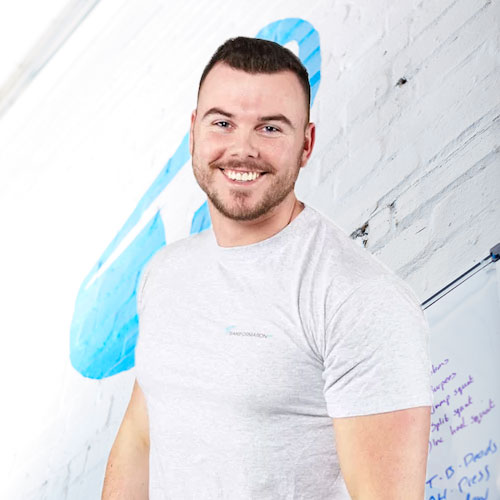
I’ve run our coached personal training studio on Heanor Street since 2015, and I’ve had this conversation hundreds of times. People ask me about supplements, potions and the diet their friend swears by. My answer is nearly always the same. Before any of that, get stronger.
This post is the written version of one of my podcast episodes, with a few of our members’ stories added. If you think you’re too old, too unfit or too worried about an old injury, this one’s for you.
Why strength training over 50 matters more than anything you can buy
Here’s the part most people never get told. After about fifty, you lose strength and muscle every year you don’t train. Quietly. In the background. It doesn’t announce itself.
It shows up as little things. The handrail you start using on the stairs. The jar you pass to someone else to open. The walk you cut a bit shorter than you used to. Easy to brush off. But they add up, and slowly your world gets a little smaller without you ever deciding it should.
The reality is, this isn’t really about age. I’ve coached people in their seventies who are stronger now than they were at fifty. It comes down to whether anyone ever showed you how to hold on to your strength, and gave you a reason to keep at it.
That’s why I call strength training the most powerful anti-ageing tool we have. Not because it turns back the clock, but because it protects what matters most: getting up off the floor, carrying the shopping, picking up a grandchild, and staying independent on your own terms.
The myth that holds a lot of people back
I was speaking with a new member recently. He’d trained a lot about ten or fifteen years ago, he’d read plenty, and he was very keen to do circuit-style training. His reasoning was simple. Circuits always felt the hardest, so they must be doing the most good.
I understand that thinking. But a lot of what we learned about exercise a decade ago has moved on.
For your heart and lungs, effort matters. If you want to build strength, though, how much something hurts isn’t the measure. Sore legs after a session don’t automatically mean stronger legs. What builds strength is putting your muscles under the right amount of load, with good technique, and then gradually asking a little more of them over weeks and months.
What strength training actually means (it’s not a barbell on day one)
When I say strength training, a lot of people picture someone with a heavy barbell on their back in a big gym. That’s not what I mean, and it’s not where anyone starts with us.
Strength training, sometimes called resistance training, simply means putting load through your muscles, joints and bones. At the start, that load can just be your own body weight. Standing up from a chair and sitting back down with control is resistance training. So is a supported step-up, or pushing against a wall.
When your body senses that load regularly, it adapts. Over time you get stronger, and your body becomes more resilient and more capable in everyday life.
The flip side? Every long stretch of doing very little, even long days sat at a desk, gradually costs you muscle and strength.
Walking, yoga and Pilates are lovely things to do, and I’d never tell anyone to stop. But on their own, they don’t load your muscles in quite the same way. Keep doing them if you enjoy them. Just add some strength work alongside.
How to start strength training over 50 in Leicester: 5 simple steps
Whether you train with us or not, this is how I’d do it.
- 1. Start where you are, not where you were. Forget what you could lift at 30. The right starting point is the one you can do well today, with good form and without fear.
- 2. Aim for two to three sessions a week. You don’t need to live in the gym. Two or three coached hours a week, done consistently, is enough for most people to feel a real difference. It also matches the NHS guidance for older adults, which recommends strength activities on at least two days a week.
- 3. Progress gradually. A little more weight, one more rep, a slightly deeper movement. Small steps, week after week. That steady progression is what makes your body adapt.
- 4. Get coached, especially at the start. If you haven’t strength trained before, book in with a qualified personal trainer. Someone to watch your technique and work around any niggles.
- 5. Build it into your week, around people. Motivation comes and goes. A routine, with people expecting you, is what keeps you going when life gets busy.
Something always beats all or nothing. Two good sessions in a busy week will do far more for you than waiting for the perfect time to start.
Real members, real strength: Maria, Peter and Karilee
Maria: back on her feet at 78
Maria joined us at 77. After a serious car accident, she hadn’t driven or walked properly in over two years, and she couldn’t sit down without gripping something for support. What she wanted wasn’t complicated. She wanted her independence back, and proper time with her granddaughter.
So we started carefully. One hour a week, every movement adapted to what her body could handle, building slowly. Nine months on, she was walking again, driving again, and out seeing her friends and her granddaughter on her own terms. Last year she won our Member of the Year.
Peter: 73 and bench pressing 70kg
When Peter came to us, he was struggling with his stamina and his weight. He’d tried the big commercial gyms. Nice equipment, plenty of machines, but nobody in his corner. So it never stuck.
What changed for Peter wasn’t some clever programme. It was being part of a group all pulling in the same direction. These days he’s bench pressing 70kg, and in 2025 he climbed Snowdon with us.
Karilee: fitter and stronger in her 60s
Karilee walked through our doors in her 60s wanting something that lasts. No crash plan, no punishing herself, just consistent, coached training, week after week.
Two years on, she’s taken 15cm off her waist, dropped nearly 10kg of body fat, and she’s stronger and moving better than she has in years.
These are their own results, not a promise. But the pattern is always the same. The people who get stronger after 50 aren’t lucky, and they aren’t built differently. They just kept training, with the right support, while everyone else assumed decline was inevitable.
Is strength training safe if you’re over 50 or 60?
This is the question I get asked most, usually with a knee, a back or a shoulder attached.
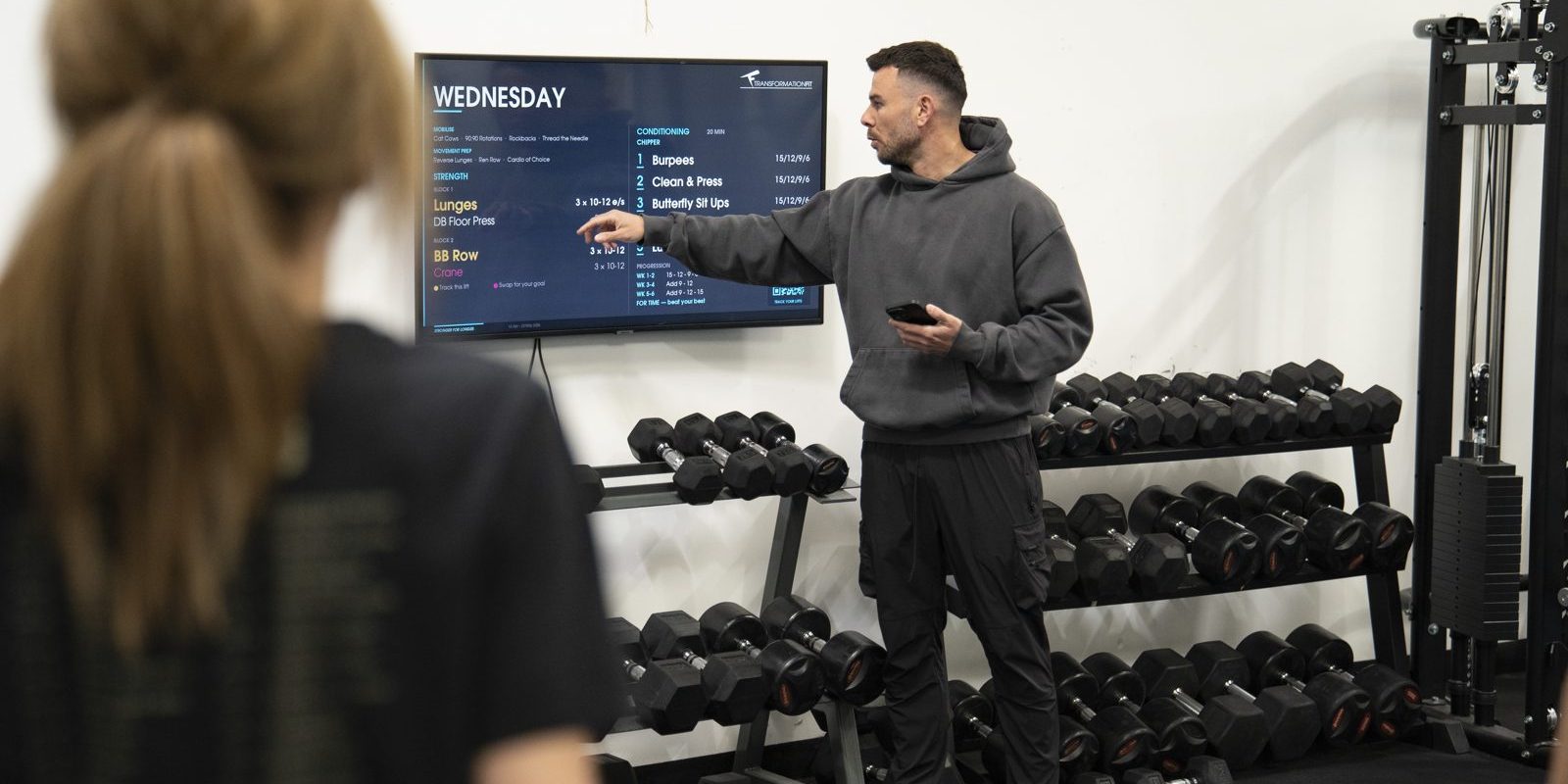
Every programme we write starts with you: your body, your history and your goals. We work around injuries and niggles rather than ignoring them, and every session is coached, so someone is watching and adjusting what you do. Some of our members started in their 70s and 80s, and they still strength train with us every week.
If you’re nervous, our 1-to-1 personal training in Leicester is just you and your coach in a private studio. Plenty of people start there, build confidence, and then move into small group personal training, where there’s a maximum of 10 people (usually around 6) and everyone is coached individually on their own programme. There’s free parking on site, so you can just turn up.
For more on our approach, read Personal training for over-50s in Leicester: what actually works.
Questions people ask us about strength training over 50
Am I too old to start strength training at 60 or 70?
No. Some of our members started in their 70s, and Maria joined us at 77. What matters is starting at the right level for you and building up gradually, with a coach keeping an eye on things.
How often should I strength train over 50?
For most people, two to three sessions a week works well. We’ll recommend a frequency that suits your goals and your schedule on your free consultation call.
Do I need to get fitter before I start?
No. That’s the whole point of being coached. You don’t arrive ready, you become ready. We start you where you are and build from there.
I’ve got a dodgy knee or a bad back. Can I still strength train?
Most people can. We’ll ask about it before you start, plan your sessions around it, and adapt exercises as you go. If you’ve been told to avoid something specific, we’ll work within that.
Is it 1-to-1 or in a group?
Both are available at our Leicester studio. 1-to-1 personal training is fully private. Small group personal training has a maximum of 10 people, with an average of 6, and everyone follows their own coached programme. It’s not a class.
How much does it cost?
Programmes start from £50 per week, depending on whether you choose 1-to-1 or small group training and how often you train. We go through exact pricing on your free consultation, with no surprises and no hidden costs.
Book your free consultation
If you’re over 50 and you know you need to get stronger, but you’re not sure where to start, the first step is easy. It’s a free consultation call with me. We talk about where you’re at, any aches, injuries or worries, what you actually want, and whether 1-to-1 or small group training would suit you best. No pressure, no hard sell, just an honest chat.
Book your free consultation → or call the studio on 0116 344 0266.